
I get it, cleaning feels like it takes forever, and no matter what you do, your home never actually *stays* clean. You finish one room and the other’s already a mess. I know you’re skeptical that any routine could really work when life’s this hectic, but here’s the thing: I’ve found a system that actually sticks.
It’s not about spending hours scrubbing or becoming some cleaning perfectionist. Instead, it’s about working smarter, using a few simple habits that take just minutes a day. The best part? Your whole family can pitch in, and it genuinely works.
Let me walk you through exactly how to make this happen.
Key Takeaways
- Use micro-cleans throughout the day , Set a timer for quick 1-minute sessions to tidy counters, pillows, and entryways so messes don’t pile up.
- Dedicate just 30 minutes weekly , Spend 10 minutes each on vacuuming, dusting high-touch surfaces, and bathroom cleaning to cover all the essentials.
- Divide your home into zones , Assign 5-minute tasks per zone and rotate who does what each week to share the workload fairly.
- Simplify with multi-purpose cleaners , Use eco-friendly products diluted for different surfaces to cut down on supplies and speed up your cleaning time.
- Make cleaning fun and consistent , Pair cleaning sessions with music or timers and use visual chore charts to stay motivated and on track.
Identify Daily 5‑Minute “Reset” Tasks for a Quick Cleaning Routine
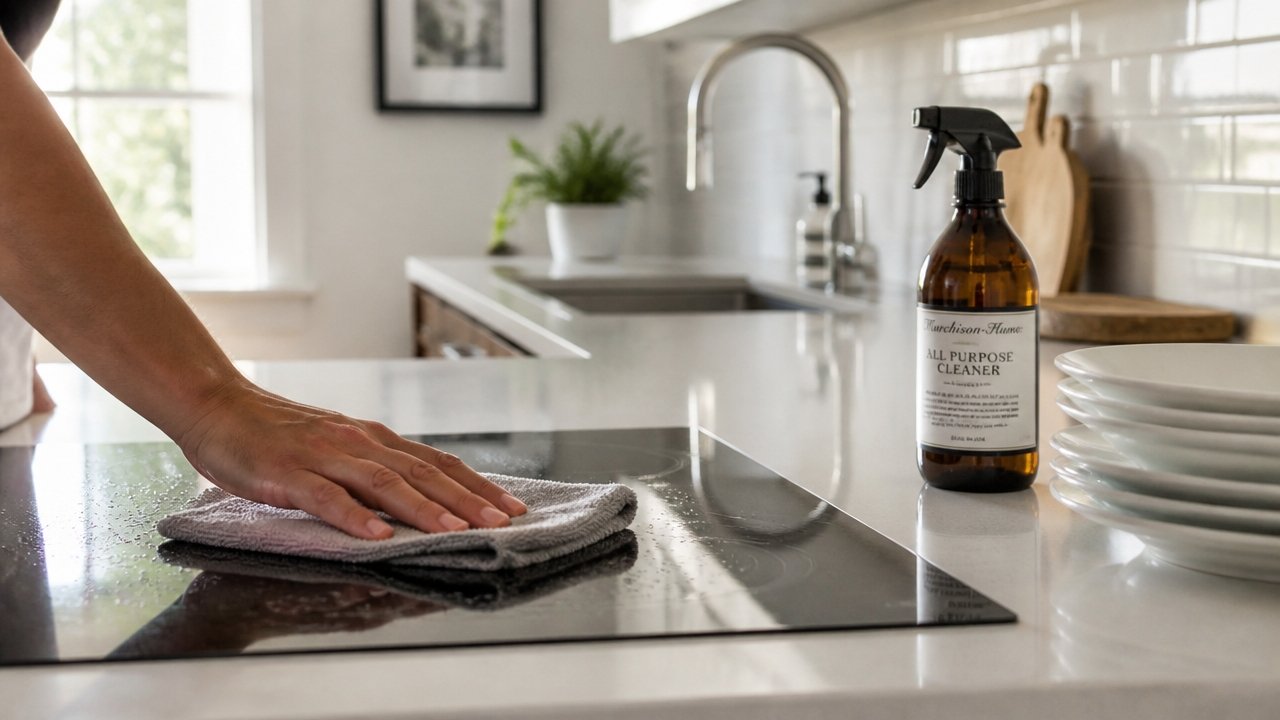
When you set a timer for just five minutes, you can knock out a “reset” that keeps your home from spiraling into chaos. I’ll walk you through a daily cleaning routine that feels safe and simple. First, set a timer for 1 minute and wipe kitchen counters; quick clean, no mess left behind. Next, spend 2 minutes tidying the entryway, shuffle shoes, straighten coats, And you’ll feel safer. Then, spend 1 minute fluffing pillows and straightening cushions; this tiny reset task boosts tidiness. Finally, sweep a small area for 1 minute, maybe the hallway. For bathroom surfaces, consider using eco-friendly cleaning solutions to maintain a fresh space without harsh chemicals. And you’ve completed your household upkeep for the day, doesn’t that feel good?
Build a 30‑Minute Weekly Core Cleaning Block for Busy Households
Ever feel like your house is a mess but you just can’t find the time to fix it? You can master a 30‑minute cleaning block that fits any weekly cleaning schedule. First, set a timer for ten minutes and vacuum the living room and hallway, quick, safe, and effective. Then, spend ten minutes dusting surfaces and wiping down high‑touch areas; use a microfiber cloth to avoid chemicals. Finally, allocate ten minutes to core cleaning tasks in the bathroom: scrub the sink, wipe the mirror, and mop the floor. For an extra shine on your floors, consider using homemade floor cleaner made from simple ingredients you likely already have at home. And you’ll see progress, even in a busy household. Time management becomes simple, and you stay safe.
Zone Your Home for Targeted Quick‑Cleaning Sessions
You’ve already got a 30‑minute core block, now let’s slice it up even more. First, map out home organization zones: kitchen, living room, bathroom, hallway. Assign each zone a targeted cleaning task and label storage containers. And you’ll see a quick tidy happen. Next, spend 5 minutes in the kitchen, wipe counters, put dishes in the dishwasher, stash snacks. Then 5 minutes in the living room, fold throws, place books on the shelf, use a basket for toys. Bathroom gets 5 minutes: spray, wipe, replace towels. Rotate responsibilities weekly so everyone shares household chores. Following a step-by-step house cleaning plan ensures consistency and helps your family stay on track with these targeted sessions. Does this feel safe and simple? I think it works.
Pick Eco‑Friendly Multi‑Purpose Supplies That Speed Up Your Routine
If you swap out a bunch of single‑purpose cleaners for one eco‑friendly multi‑purpose spray, you’ll cut clutter and speed up every room. I love how non‑toxic, plant‑based formulas keep kids and pets safe while you work efficiently. And the sustainable packaging means less waste, so you feel good about each swipe. Following professional deep cleaning methods ensures you’re using the right technique for each surface to maximize effectiveness. But you might wonder how to use it best? Here’s a quick guide:
- Dilute 2 seconds of concentrate in 8 oz water; spray kitchen counters, 30 seconds.
- Spray bathroom tiles, let sit 1 minute, wipe; 45 seconds.
- Spray living‑room wood, wipe with microfiber; 20 seconds.
Set Timers & Play Music for Focused, Energized Cleaning
When you set a timer for a short burst of cleaning, you’ll feel the pressure to move fast and stay focused, and the ticking clock actually keeps burnout at bay. I suggest you pick upbeat music, then start a 5‑minute timer for the kitchen sink. And you’ll notice focused cleaning becomes a game. Next, set a 10‑minute timer for the living‑room while you play a lively playlist; the music fuels energized cleaning. But don’t forget safety, keep cords away from wet areas. I recommend you repeat this routine daily, adjusting room‑by‑room. Can you feel the rhythm?
Set Ideal Timer Lengths for Each Mini‑Task
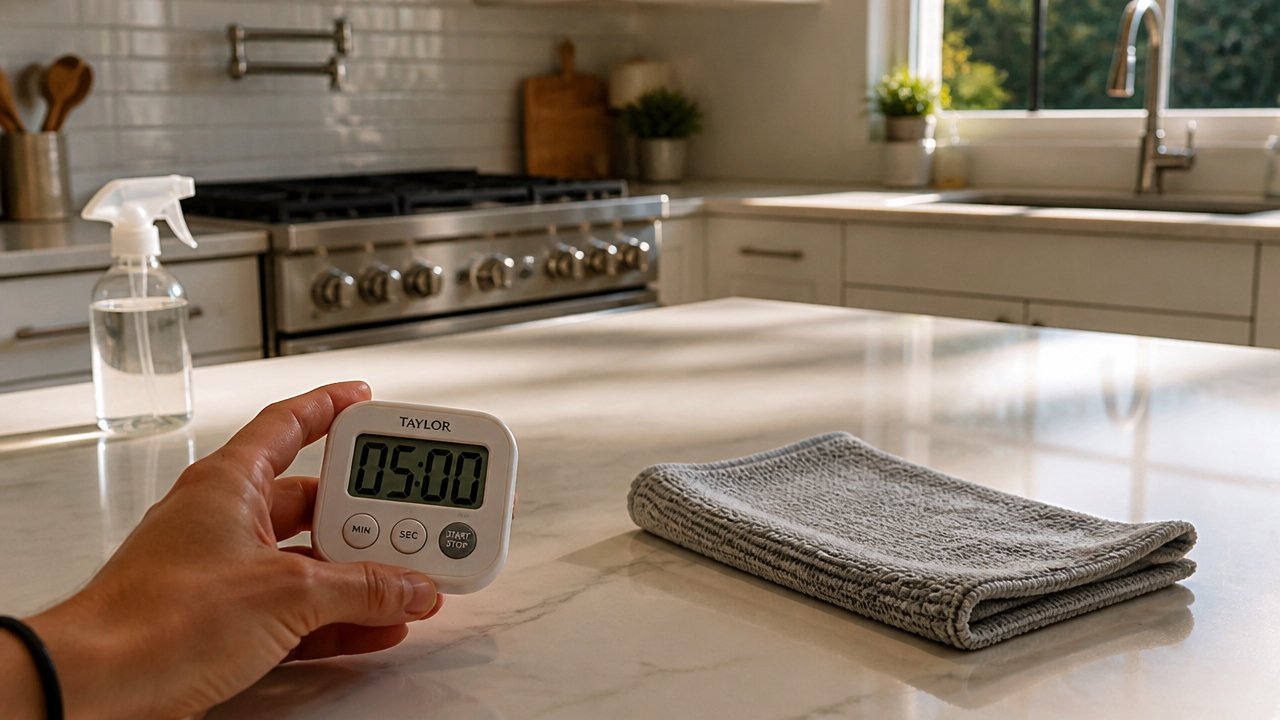
After the music fades, the timer becomes your new guide, so let’s set the perfect lengths for each mini‑task. You’ll see how timer lengths keep a cleaning routine safe and efficient, especially in busy households. I’ll walk you through three simple steps that boost time management without stress.
- 5‑minute bathroom wipe – quick, safe, and easy to start; you finish before you feel tired.
- 7‑minute kitchen surface scrub – a bit longer for tougher grime, yet still short enough to stay focused.
- 10‑minute living‑room tidy – the longest mini‑task, perfect for a thorough sweep without burnout.
And you’ll notice motivation rise as each task ends on time, right?
Involve the Whole Family With Age‑Appropriate Micro‑Chores
Because a clean home works best when everyone chips in, you can turn chores into tiny, age‑appropriate micro‑chores that feel doable and even fun. You’ll assign age-appropriate chores like toddlers placing toys in labeled bins and older kids wiping surfaces. And you’ll use visual cues, charts, stickers, simple signs, to guide children’s tasks. Break each micro‑chores into two steps, spend five minutes in the kitchen after dinner, ten minutes in the living room before bedtime. Rotate chores weekly for fresh home responsibilities. Family involvement builds confidence; I’ve seen kids smile when they finish a task. Isn’t that rewarding?
Make a One‑Page Printable Schedule That Keeps You on Track
You’ve already seen how tiny, age‑appropriate micro‑chores keep the whole family engaged, and now it’s time to turn that momentum into a single sheet you can glance at every day. A cleaning schedule on one printable template cuts decision fatigue and boosts household organization. You’ll list daily tasks, slot in weekly cleaning, and keep the sheet visible for safety and accountability.
- Choose a clean layout, label columns for each day, and add a row for weekly cleaning.
- Fill in 2‑3 daily tasks per room, using simple verbs and time estimates (5‑10 min).
- Print, laminate, and hang it at eye level; check off each task as you finish.
And you’ll see progress fast, right?
Rotate Deep‑Cleaning Tasks Without Overloading Your Week
When you spread deep‑cleaning across the week instead of cramming it into a single day, the house stays fresh and you avoid burnout. I’ll show you how to rotate deep‑cleaning tasks safely. First, pick two focused cleaning areas each week; for example, wash windows on Monday (30 min) and scrub baseboards on Thursday (20 min). Add these to your weekly schedule alongside routine maintenance. And keep chores manageable by using a simple checklist. But remember to pause if you feel rushed, safety comes first. Do you want a tidy home without marathon sessions? Follow the step‑by‑step plan and enjoy steady results.
Adapt the Routine for Mornings, Lunches, or Evenings
If you start your day with a quick 5‑minute bed‑making and a wipe‑down of the nightstand, you set a tidy tone that carries you through the morning. Your morning routines become easy when you add quick cleaning tasks like clearing the bathroom sink and putting a dish in the dishwasher. And you can keep a busy schedule under control by breaking chores into short bursts. But remember, safety first, use non‑slip mats and keep cleaning sprays out of children’s reach. Here’s a simple list to follow:
- Morning – 5 min: make bed, wipe nightstand, tidy bathroom sink.
- Lunch – 7 min: clear kitchen counters, load dishwasher, sweep floor.
- Evening – 10 min: sweep entryway, reset living area, prep supplies for tomorrow.
Fix Common Roadblocks: Fatigue, Forgetting, Overwhelm – Then Scale for Seasonal or Workload Changes
Even though fatigue often feels like a wall, you can break it down by fitting 5‑minute tidy bursts into the times you’re most alert, like right after breakfast or before dinner. I know forgetting chores can sting, so set a daily reminder on your phone; it’s safe and simple. And when overwhelm creeps in, slice the job: clean one zone, say the kitchen counter, for ten minutes. Prioritizing tasks lets you scale routines; during spring, add window wiping, but skip deep carpet cleaning in winter. What if you boost effort when work eases, then pull back during tax season? Try a 5‑minute bathroom wipe, a 10‑minute living‑room sweep, and a 15‑minute weekly floor mop. You’ll feel safe, organized, and ready for any workload shift.
Frequently Asked Questions
What Is the 5 5 5 Rule for Decluttering?
The 5‑5‑5 rule means you spend five minutes, handling five items, in five different areas, using a minimalist approach and decluttering tips, while scheduling routine maintenance and safe storage solutions for daily upkeep.
How to Keep Your House Clean With a Busy Schedule?
Think of your home as a garden: eco‑friendly cleaning, implementing a schedule, using cleaning tools, quick daily tidying, and organizing storage spaces keep it thriving safely while your busy day blossoms.
What Is the 80/20 Rule in Housekeeping?
You’ll find the 80/20 rule means focusing on the sustainable cleaning tasks that deliver most results, using eco‑friendly products, routine maintenance, and clear cleaning schedules, plus professional tips, to keep your home safe and tidy.
Is $50 an Hour Good for House Cleaning?
Yes, $50 an hour aligns with cleaning industry standards for professional maid fees, especially if it includes deep cleaning. Compare cleaning service costs, freelancer cleaning rates, and housekeeper hourly wages to ensure safety‑focused value.
Final Takeaways
I genuinely believe that maintaining a clean home doesn’t require perfection, it requires consistency. By dedicating just a few minutes daily and blocking out time weekly, you’re giving yourself permission to stay on top of things without burnout. The beauty of this approach is that small wins count, and they add up faster than you’d think.
You’ve got everything you need to transform your space into a calm, welcoming home. Start tomorrow with just five minutes, and notice how empowering it feels. If you’re looking for more strategies to simplify your routine, explore our blog for additional organizing hacks tailored to busy lives like yours.
 English
  Arabic